When G.O. learned that he needed dialysis, his first reaction was to look for a way around it.
“What do I need to do so I don’t have to go to dialysis?” he remembers thinking. Could he change his medications? Eat differently? Do something—anything—to delay it?
More than anything, G.O. worried about what dialysis would mean for the life he knew.
“My life’s getting ready to change,” he recalled. “Is it going to be better? Is it going to be harder? Am I still going to be able to have a life?”
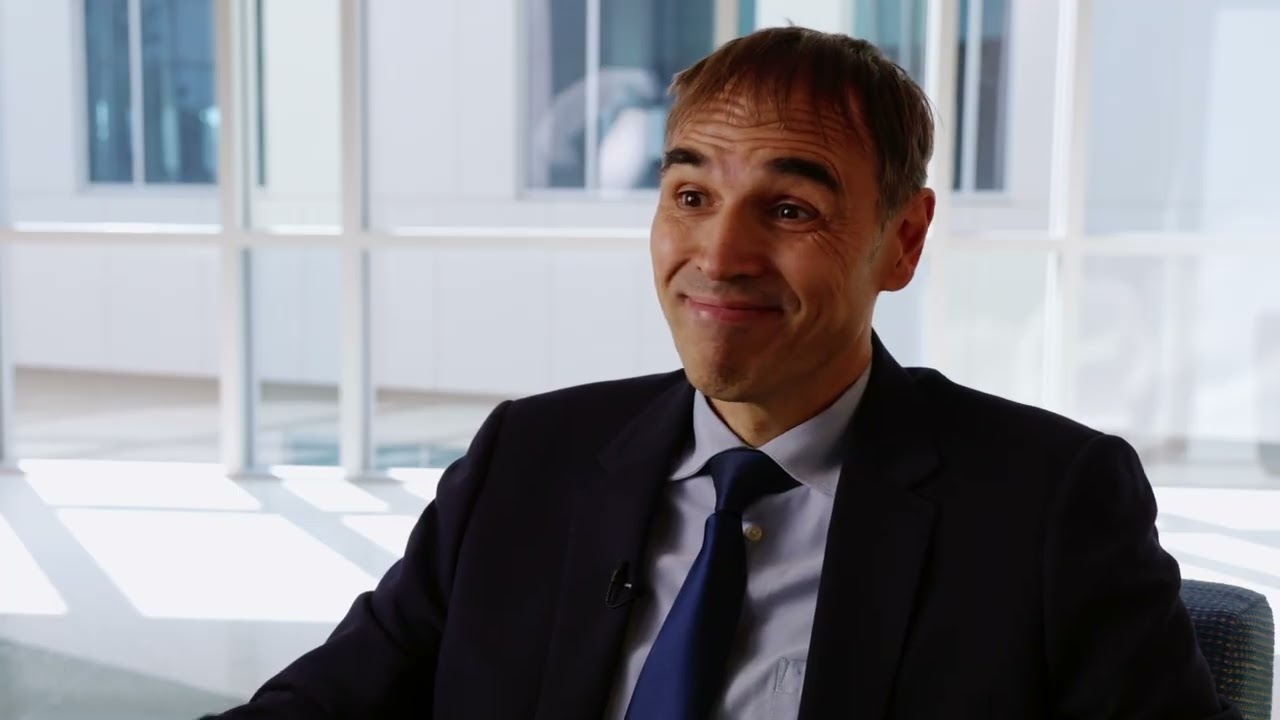
Those fears are familiar to Dr. Gabor Bodonyi-Kovacs, a nephrologist who cares for patients with kidney disease. Dialysis becomes necessary when the kidneys can no longer adequately perform some of their most important jobs.
“Dialysis is a treatment that takes over and does what the kidneys did when the kidneys worked,” Dr. Bodonyi-Kovacs explained. “They remove waste products from the blood and they remove extra salt and water from the body.”
Starting dialysis can be intimidating. There are unfamiliar machines, alarms and a new routine to learn. Dr. Bodonyi-Kovacs said the first treatment is typically shorter and gentler, and it may take several treatments before patients begin noticing the benefits. Throughout the process, nurses, technicians and other members of the care team are there to answer questions, explain what is happening and help patients become comfortable with their new routine.
For G.O., the reality was far less frightening than what he had imagined.
His first treatment “went really well,” he said. He asked questions about the machine and what it was doing, and the dialysis team took the time to answer them.
“They were open and easy to talk to and well-informed, which made me feel comfortable sitting in that chair,” he said.
Nearly a year later, those same people had become an important part of his life.
“This is my other family because that’s exactly how I feel,” G.O. said. Between treatments, conversations and plenty of jokes, the nurses and technicians have transformed something he once dreaded into a place where he feels supported and understood.
But the biggest change has happened outside the dialysis center.
Before starting treatment, G.O. often lacked the energy and confidence to do everyday things. He remembers going into town with his wife but staying in the car because walking was difficult and he worried about his balance. He was used always moving around and doing something. As his kidney disease progressed, even leaving the house felt daunting.
Dialysis began giving some of that life back.
“It’s so much nicer to be able to get up,” he said. Now he can go into stores and move around more comfortably. He describes it simply as feeling “more human”, like he is living his life again rather than watching it from behind the wheel of a car.
Other changes followed. The metallic taste in his mouth went away. Food tasted good again. His appetite returned. His wife noticed that he was doing more around the house.
G.O. had spent a long time hoping he could put dialysis off. Looking back, his perspective has changed completely.
“I wish I would have started a lot sooner than when we did,” he said. “I feel better, I feel good, so I’m in for it. I’m in for the long haul.”
Dr. Bodonyi-Kovacs understands why patients may want to delay dialysis. His goal is also to help people preserve their kidney function and avoid dialysis for as long as medically appropriate. But once a person’s kidneys can no longer adequately remove waste and excess fluid, delaying needed treatment can allow those substances to build up. Patients may lose their appetite, become weaker or have difficulty breathing.
Dialysis does come with limitations. Treatments require time and commitment, and some people may feel tired afterward. But Dr. Bodonyi-Kovacs wants patients to understand the other side of that story, too.
“The fullest life people can live who need dialysis is by receiving dialysis,” he said. On days between treatments, many patients feel well enough to return to activities they struggled to do before dialysis began.
That has certainly been G.O.’s experience.
He doesn’t pretend that dialysis is always easy. He has dealt with challenges involving his fistula and catheter, and accepting a long-term treatment schedule took time. But when he compares those challenges with how he felt before treatment, he knows what dialysis has meant for him.
His quality of life, he said, “definitely” improved.
For someone standing where he once stood, worried about the machine, the treatments and how life might change, G.O. hopes his experience makes the unknown a little less frightening.
“We all have fears and discomforts of the unknown,” he said. But after experiencing the difference dialysis made in his own life, his message is simple: “I wish I would have done it sooner.”
“I’m happy that we got this started,” he said. “The way I’m feeling, life is good.”
And that is why G.O. wanted to share his story.
“If I can help this one person, it’s a good thing,” he said. “There were people out there that talked to me before and they helped me, and it changed my life.”